Troubleshooting: Why Pressure Gauges Lose Accuracy Over Time
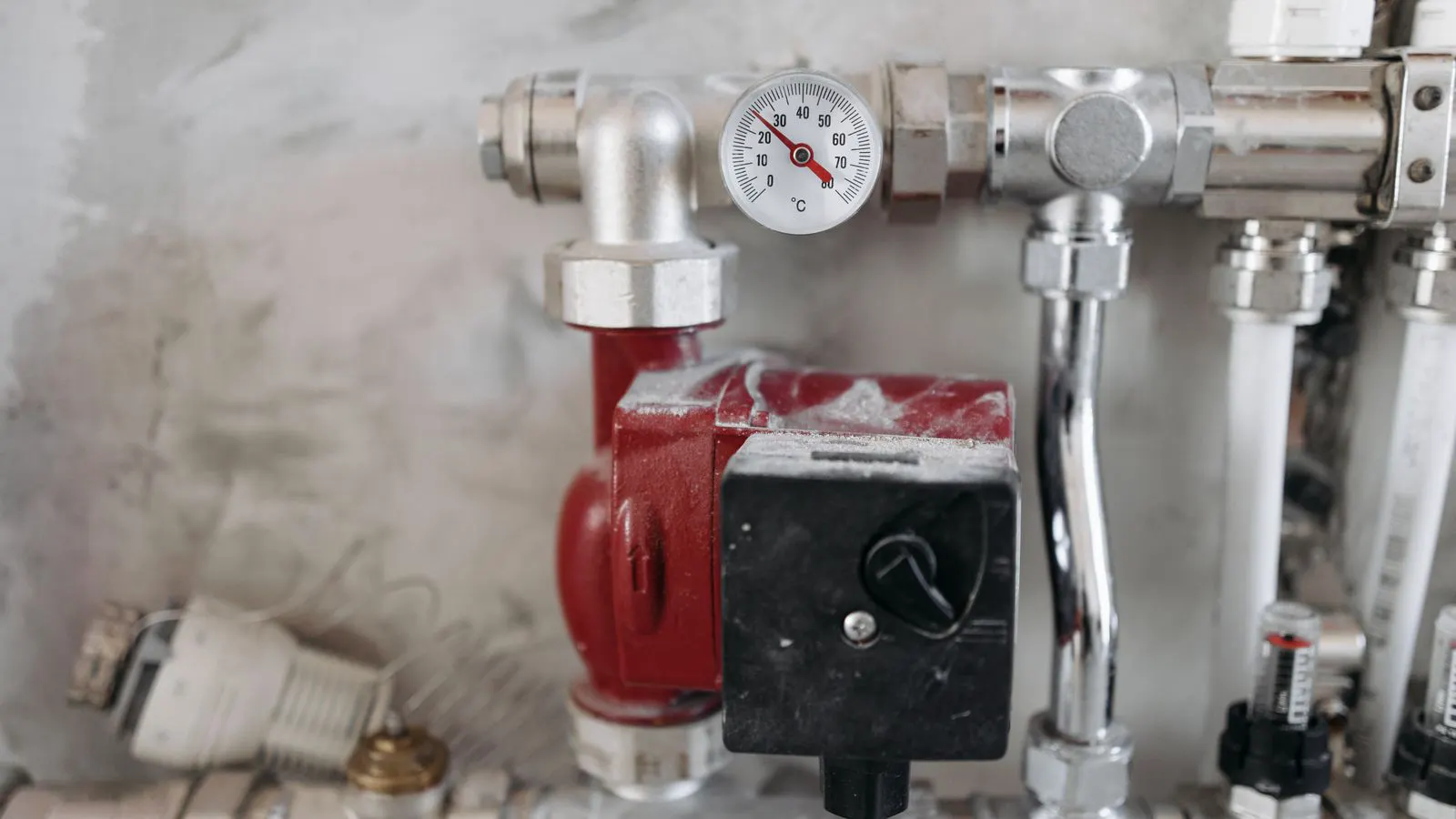
Pressure gauges lose accuracy due to mechanical wear, temperature shifts, and poor maintenance. This guide identifies common symptoms, explains the underlying causes
Clear specs, supplier checks, and practical sensor selection for plant engineers.

Industrial sensor selection rarely comes down to a single spec sheet. Buyers must weigh sensitivity, output type, mounting, and environmental rating before a unit reaches the field. This site breaks those decisions down by sensor class so you can compare what actually matters on the line.
Each section covers the technical choices that affect performance and service time. You will find guidance on proximity and photoelectric sensing, pressure and level measurement, temperature control, flow meters, calibration, installation, and supplier evaluation. The focus is on the questions that appear in procurement and commissioning documents.
Start with the stage of the sourcing process you are in.
Practical guides on selecting and configuring proximity and photoelectric sensors for reliable industrial detection.
Clear explanations of pressure and level measurement principles, sensor types, and application best practices.
Helpful content on thermocouples, RTDs, and infrared sensors for accurate industrial temperature monitoring.
A practical overview of flow meter technologies, installation requirements, and selection criteria for engineers.
Guides on calibration methods, accuracy verification, and maintaining measurement standards in industrial settings.
Step-by-step advice on mounting, wiring, and environmental protection for reliable sensor installation.
Practical criteria for evaluating sensor suppliers, including technical support, reliability, and long-term compatibility.

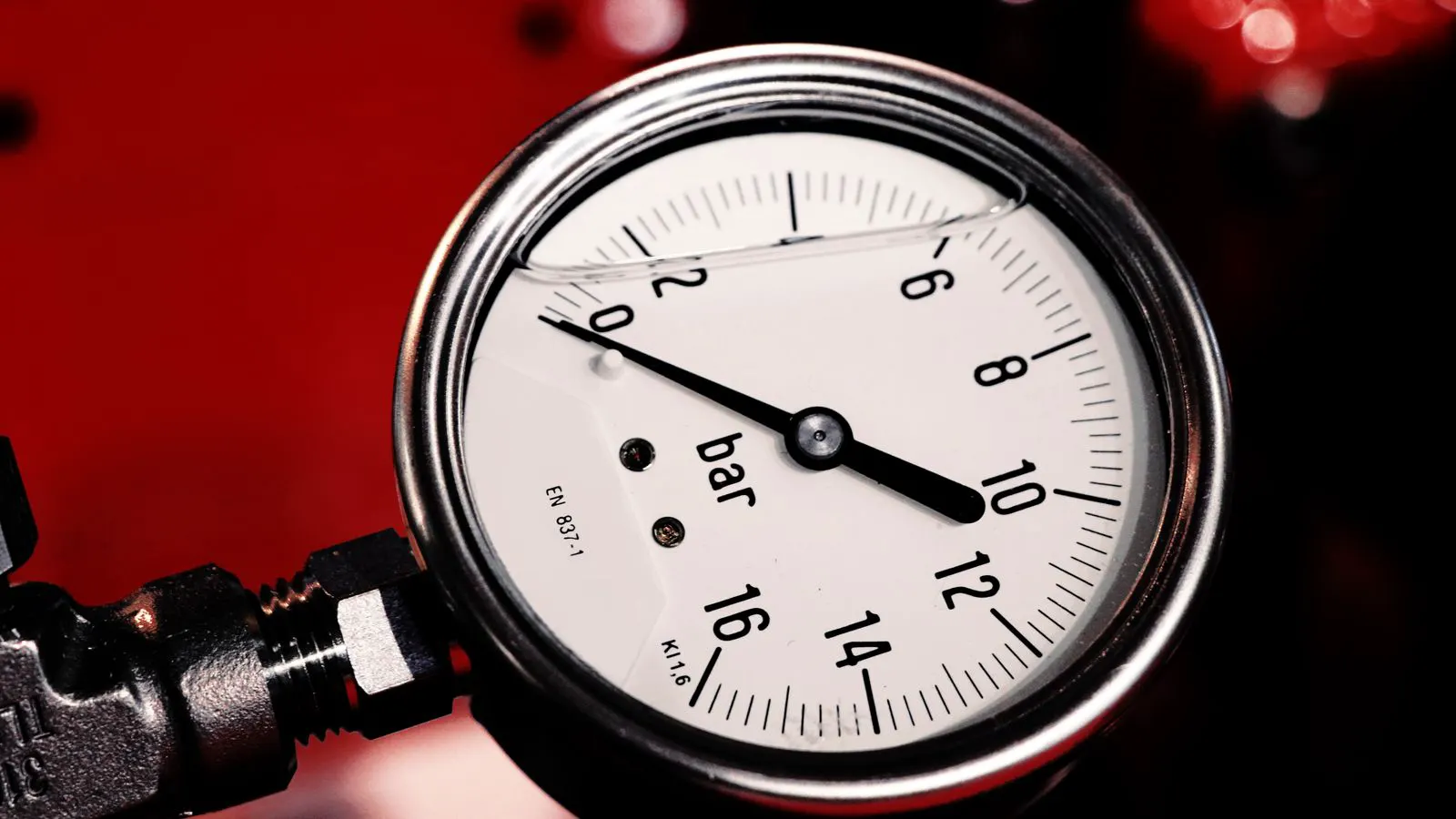
Pressure gauges lose accuracy due to mechanical wear, temperature shifts, and poor maintenance. This guide identifies common symptoms, explains the underlying causes

Evaluate sensor supplier reliability by verifying documentation, support responsiveness, calibration records, and lead time consistency. This checklist helps buyers

NIST traceability links sensor calibration to national reference standards, while ISO 17025 aligns with international quality management requirements. The choice depends

Check pipe straight length, flow meter piping, and vortex meter setup constraints before installation. This checklist verifies structural and piping requirements to

Procurement managers need a structured method to verify incoming quality control sensors before installation. This checklist covers documentation review, physical

Proper installation aligns the meter with pipe geometry and fluid dynamics. This guide provides a step-by-step process for mounting, straightening, and verifying

Selecting the right industrial sensor vendor requires checking technical support, calibration, delivery, and compliance. This guide provides a practical framework and

Safety sensor systems detect an obstruction in the light path and send a stop command to the conveyor controller. This mechanism uses light curtains and photoelectric

Fluctuating RTD readings usually stem from electrical interference, loose connections, or cold junction errors. This guide lists common symptoms, likely causes, and
Inductive sensors detect metal targets and work well near conductive materials. Capacitive sensors detect non-metallic materials such as plastics and powders, but are more sensitive to environmental interference. Match the sensing type to the target material and process conditions before selecting a model.
NPN, PNP, and relay outputs connect to different control circuits. NPN and PNP fit most PLC inputs, while relay outputs are isolated and useful for older relay logic. Verify the voltage rating and current capacity against your controller and wiring run before ordering.
Calibration intervals depend on process criticality, media, and environmental stress. High-risk or high-accuracy applications require scheduled checks. Lower-risk monitoring points may need inspection only after maintenance or when drift is suspected. Document each calibration with a certificate or test record.
Incorrect pipe straight-run length, air pockets, and turbulence are common causes. Install the meter according to the manufacturer's recommended straight lengths and keep the piping level. Verify that the flow direction matches the sensor orientation and that the line is free of trapped air or debris.
Check technical support availability, lead time, and the quality of documentation provided. Request sample data sheets, warranty terms, and references for similar applications. Confirm that the supplier can support field service and spare parts availability for the expected service life.
Yes. Material selection matters at elevated temperatures. Stainless steel, ceramic, or specialized alloys are used depending on the medium and temperature range. Verify the maximum operating temperature and the chemical compatibility of the sensing element with the process fluid.