Flow Measurement
Outlook: Multi-Protocol Sensors in Industrial Flow Systems
Industrial flow meter protocols are shifting toward open standards and fieldbus integration. This article outlines six practical changes buyers should anticipate. It
A practical overview of flow meter technologies, installation requirements, and selection criteria for engineers.
Industrial flow meter protocols are shifting toward open standards and fieldbus integration. This article outlines six practical changes buyers should anticipate. It
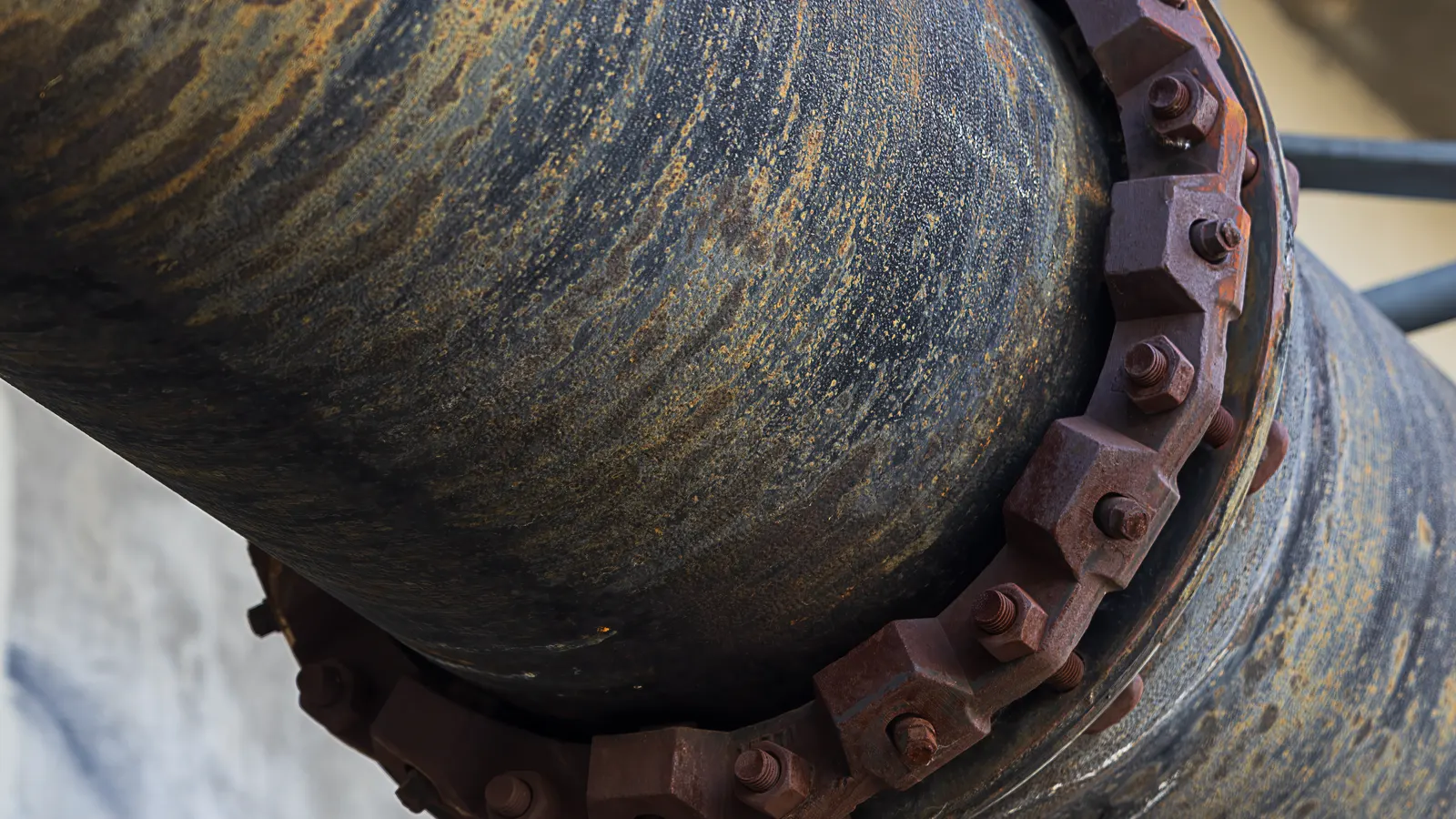
Check pipe straight length, flow meter piping, and vortex meter setup constraints before installation. This checklist verifies structural and piping requirements to
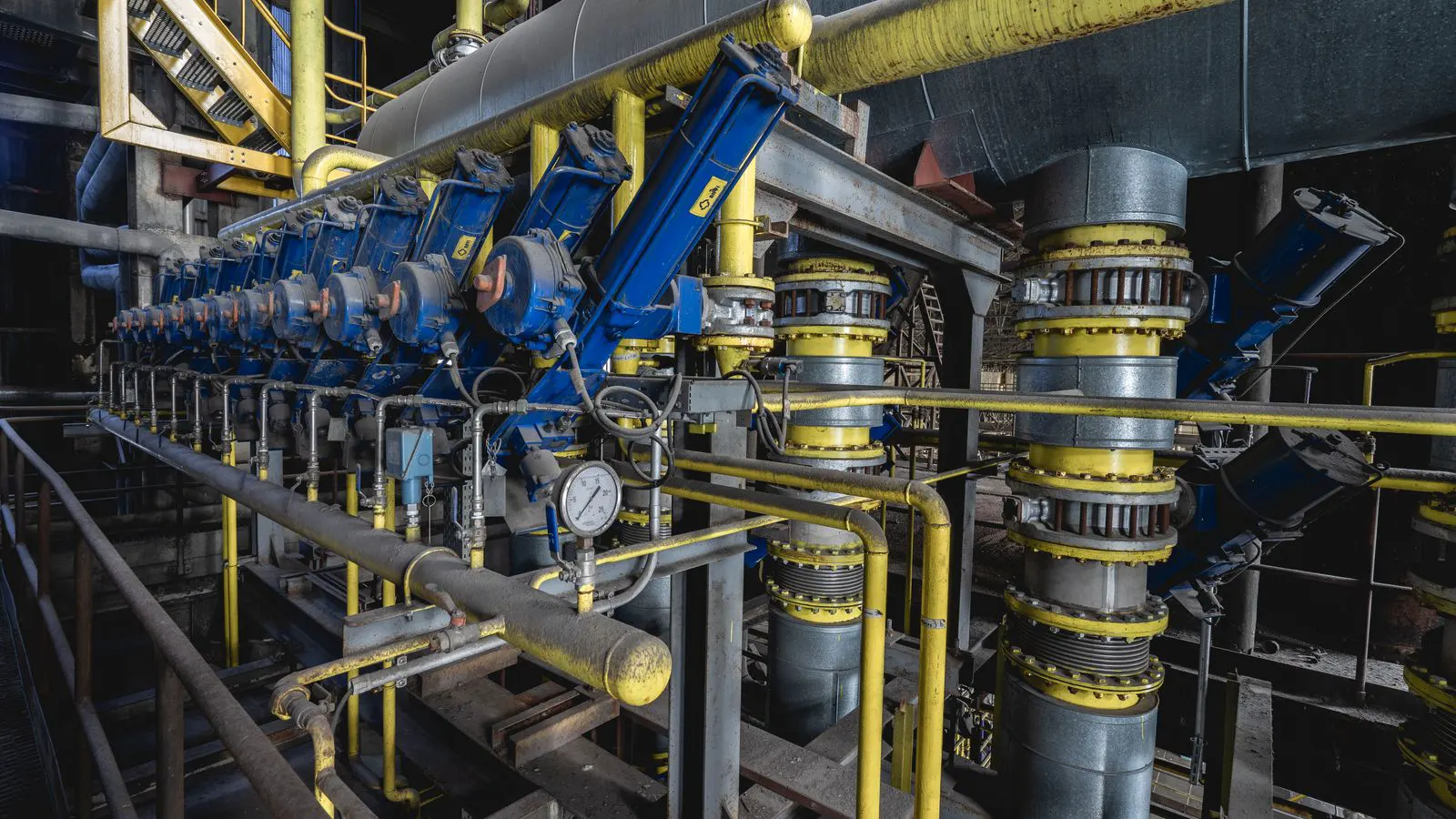
Proper installation aligns the meter with pipe geometry and fluid dynamics. This guide provides a step-by-step process for mounting, straightening, and verifying

Magnetic flow meters measure conductive liquids with high accuracy, while ultrasonic meters measure non-conductive fluids without contact. Use magnetic for precise
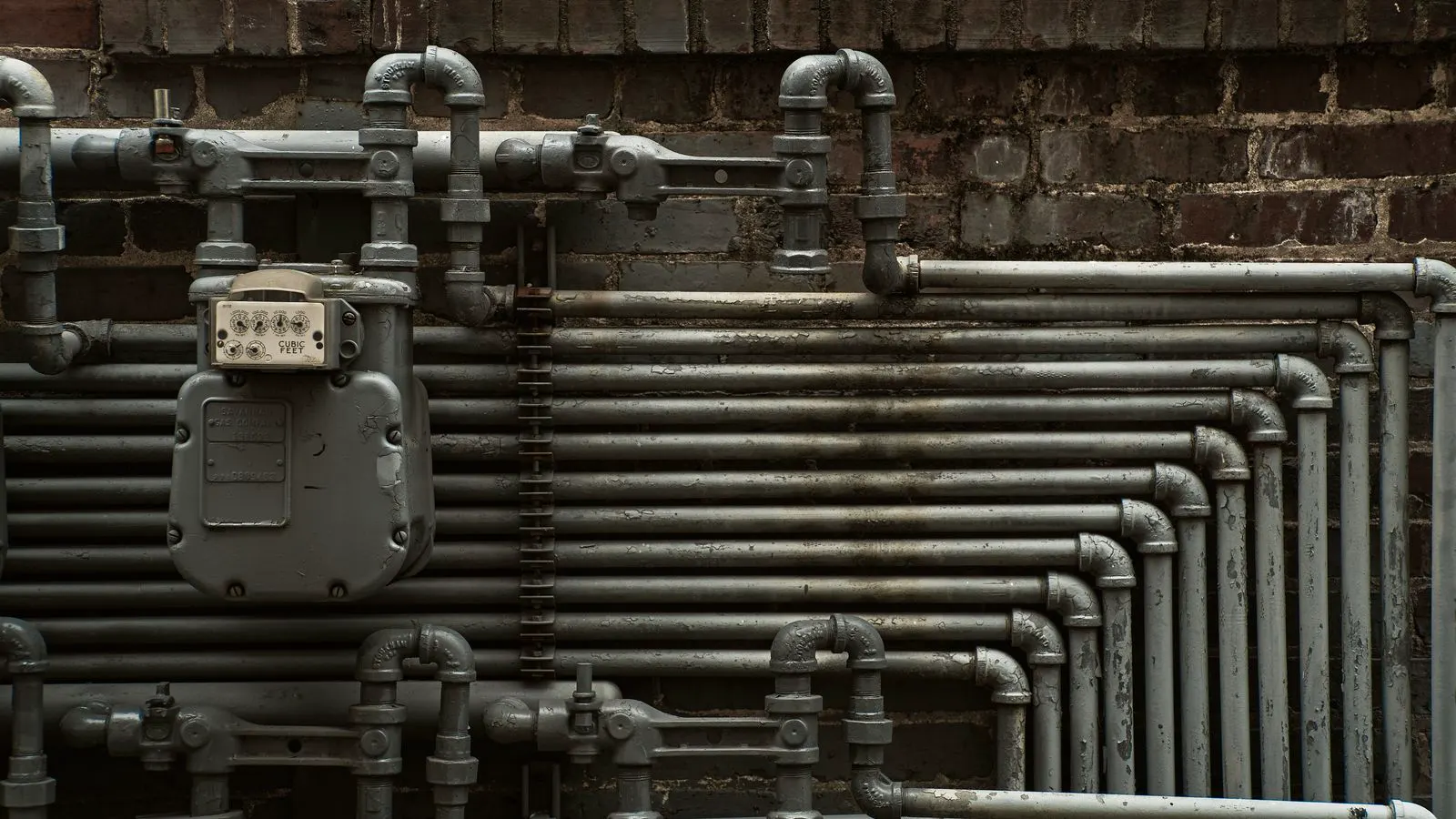
Selecting a flow meter for high-pressure systems requires verifying pressure ratings, material compatibility, and sizing accuracy. This buyers guide outlines the
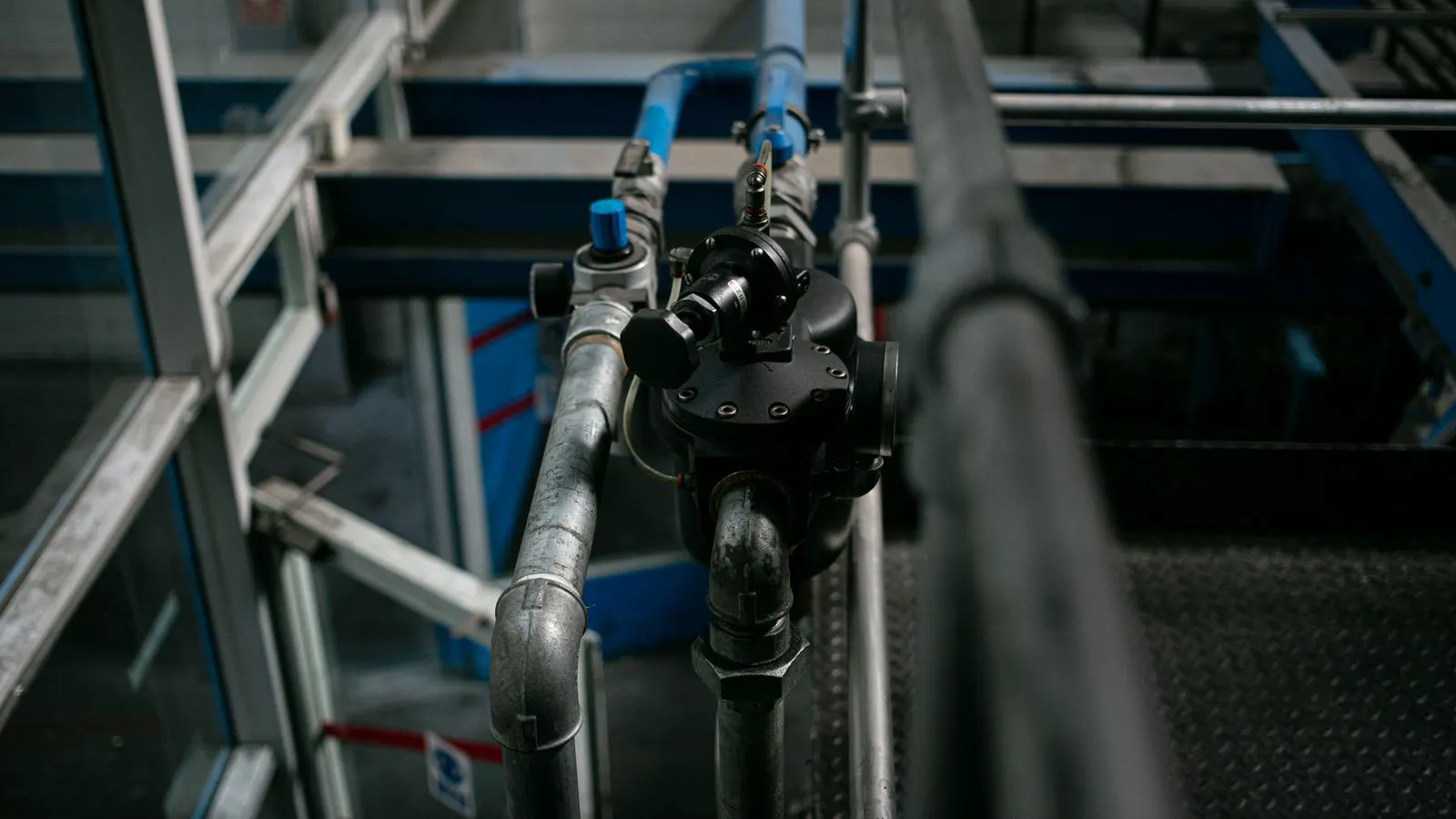
Turbine flow meters produce inconsistent readings due to inlet turbulence, cavitation, and mechanical wear. This guide lists common symptoms, isolates the mechanical and

Pipe flow monitoring is moving from isolated devices to integrated smart plant systems. This guide outlines five key shifts in technology and infrastructure that buyers
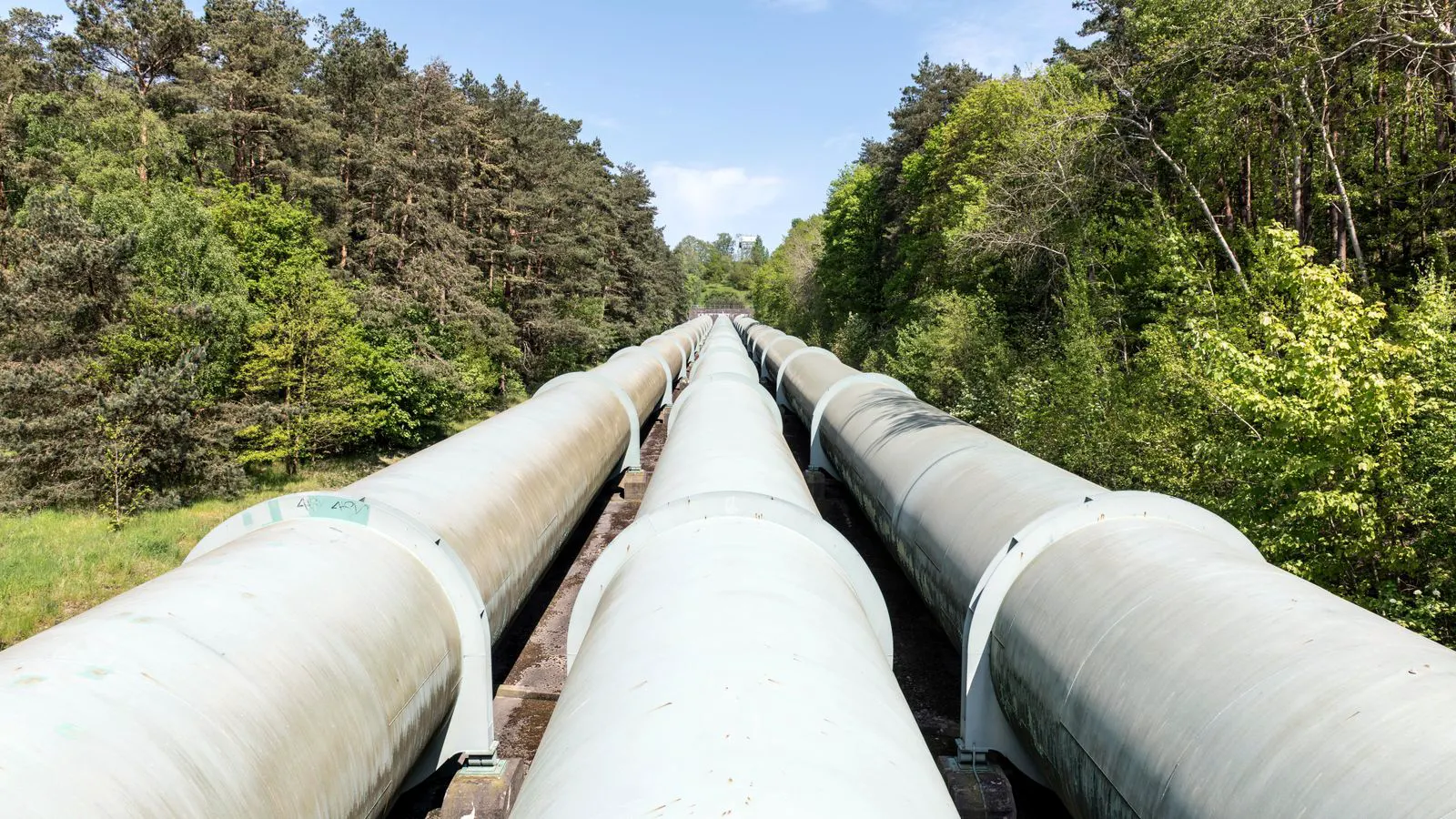
Coriolis flow sensors measure mass flow by detecting the force created when fluid flow deflects a vibrating tube. This physics-based principle offers high accuracy and
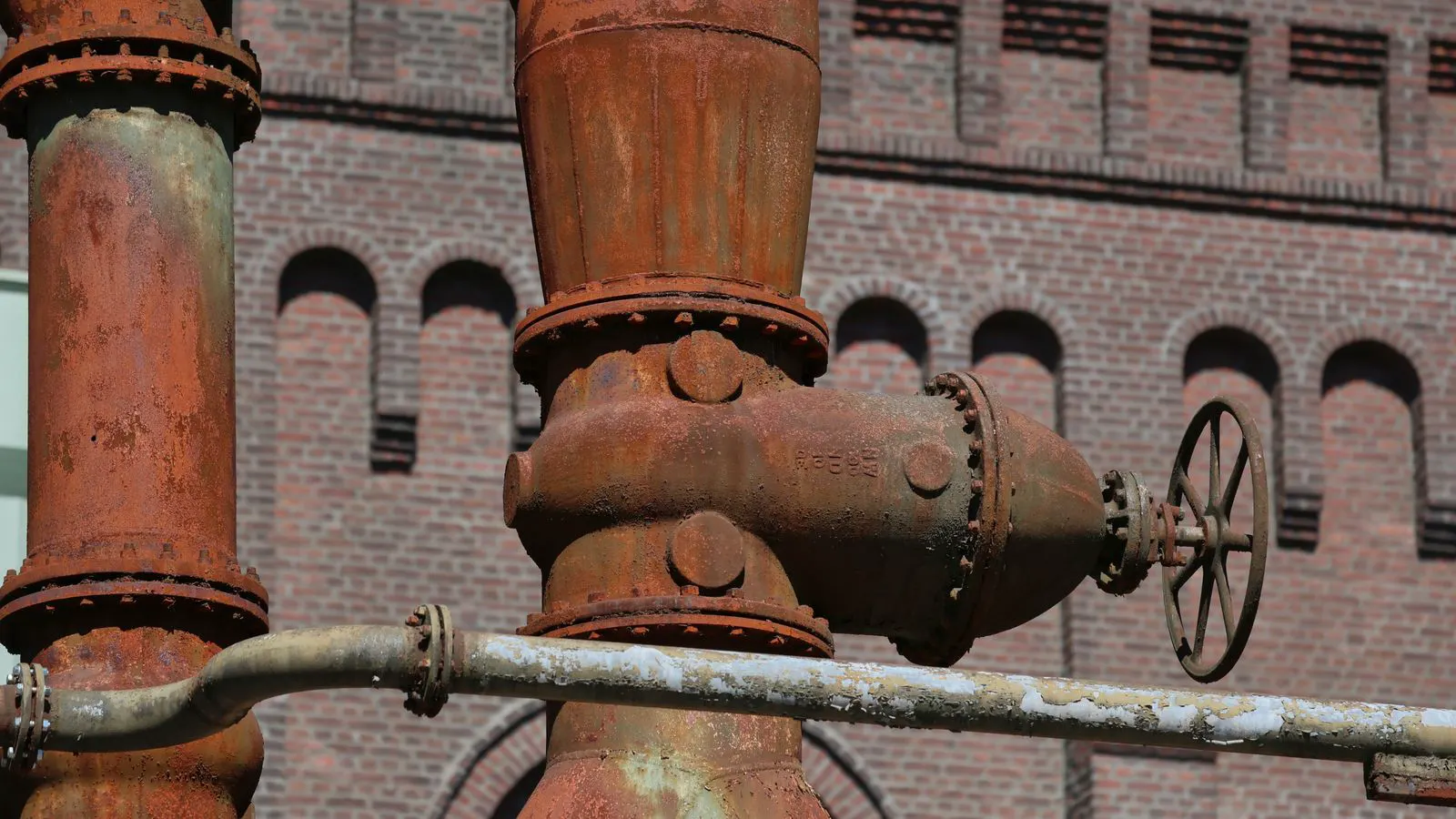
Coriolis flow sensors and turbine flow meters differ significantly in price and delivery schedules. Coriolis units cost more but offer higher accuracy in complex fluids.
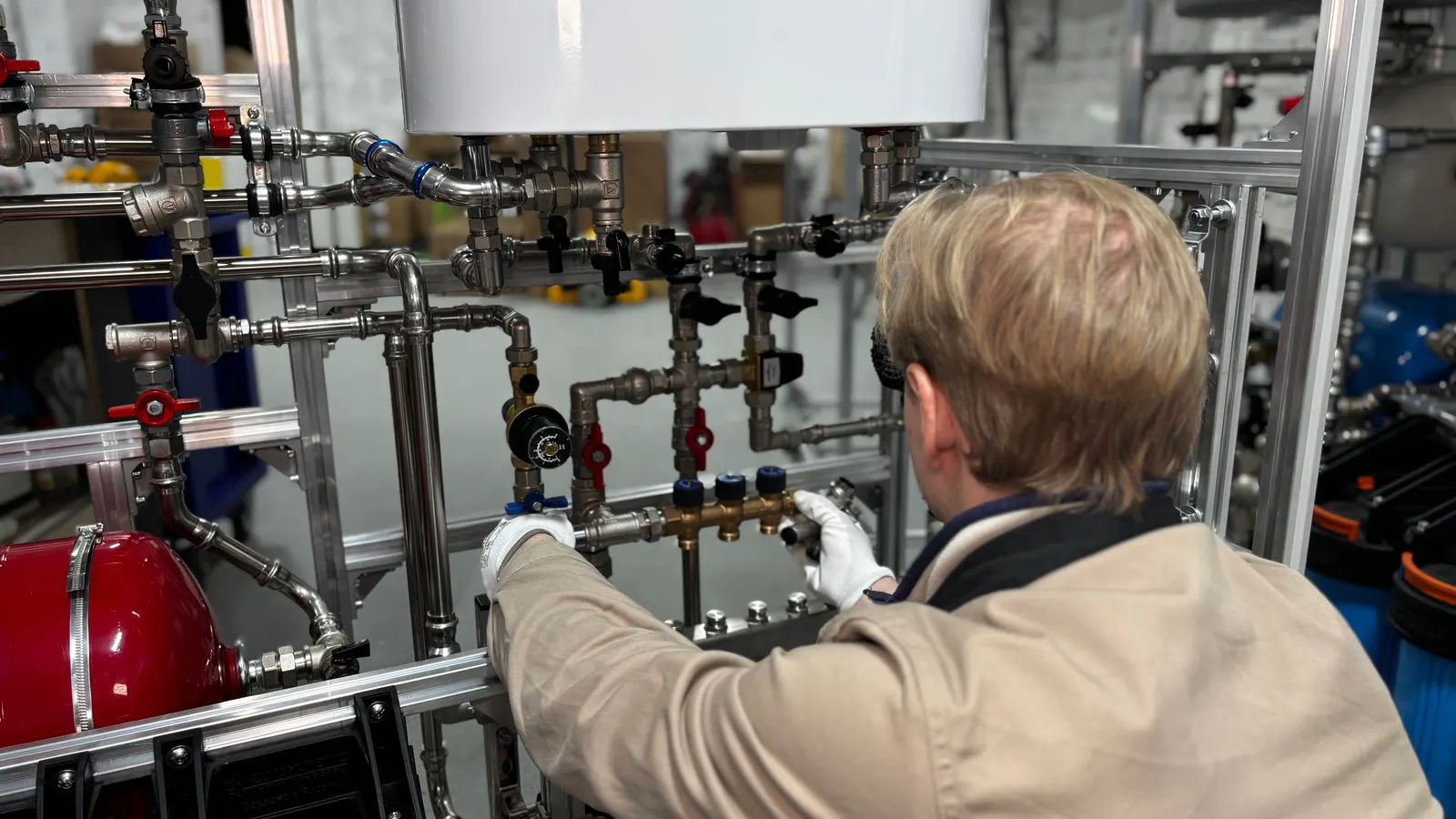
Selecting the right flow meter for variable viscosity liquids requires checking viscosity ranges, line size, and fluid compatibility. A structured audit verifies that