Buyer's Guide: Selecting Industrial Sensor Mounts
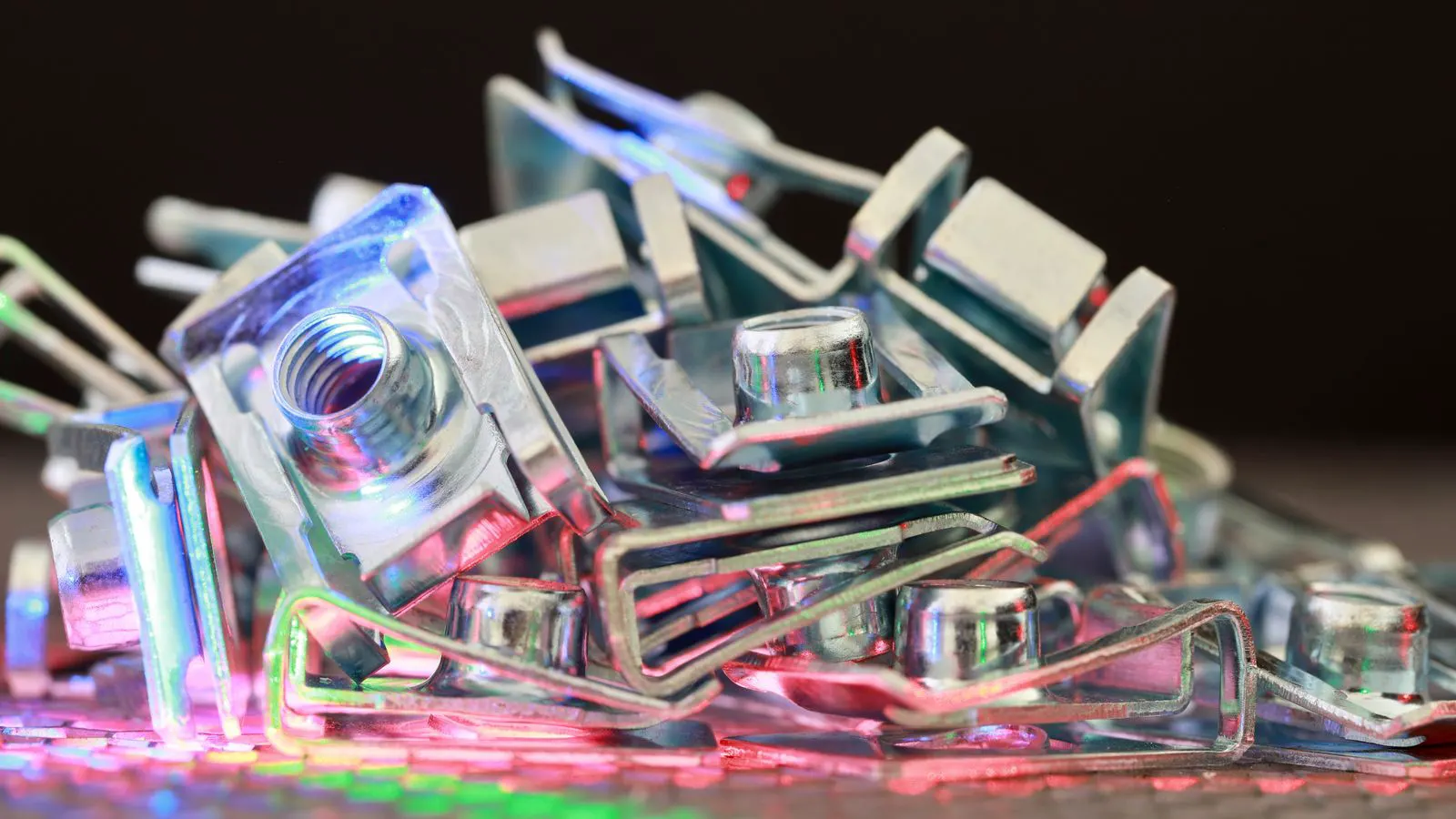
Selecting the right industrial sensor mounting involves matching the bracket material, fastening method, and environmental rating to the specific sensor type and operating conditions. Procurement managers must evaluate vibration, temperature, and space constraints to prevent failure and ensure accurate readings.
- Match the mounting hardware material to the environment's corrosion and temperature levels.
- Verify that the bracket can support the sensor's weight and withstand expected vibration forces.
- Confirm that the fastening method allows for alignment adjustments without losing seal integrity.
- Check compatibility with existing conduit, cable glands, or process piping.
- Document the selected mounting solution to simplify future maintenance and replacement.
Why the Mount Determines the Reading
The sensor is only as good as the foundation holding it in place. A high-accuracy pressure transmitter installed on a loose bracket will drift out of calibration within weeks. The mount defines the sensor’s relationship to the process. If the bracket flexes, the internal diaphragm sees false signals. If the fasteners loosen, the seal fails and the process medium enters the electronics. Procurement managers often treat the mount as a minor line item. This is a mistake. The mounting hardware dictates service life, calibration frequency, and safety margins.
Selecting the correct industrial sensor mounting requires a structured approach. You must look past the catalog image and understand the mechanical forces acting on the device. A bracket that works for a stable tank bottom will fail on a vibrating pump. A standard carbon steel mount will rust in a wet chemical plant. The decision depends on specific variables, including weight, vibration, corrosion, and space. This guide breaks down those variables into actionable criteria.
Assessing the Mechanical Load and Vibration Profile
The first step in sensor bracket selection is to define the mechanical load. Most industrial sensors are lightweight. A 4-20 mA transmitter might weigh under half a kilogram. However, the forces acting on it are rarely just gravity. Pumps, compressors, and fans generate high-frequency vibrations. Large rotating equipment can create low-frequency oscillations that resonate with thin-walled brackets. Resonance amplifies stress. A small vibration becomes a large movement at the sensor connection point.
Check the vibration spectrum of the installation point. If the area experiences shock events, such as valve closures or pump starts, the mount must absorb that energy. Damped mounts or thicker steel plates work well here. Thin sheet metal brackets vibrate too much for sensitive load cells. A load cell measures force. If the bracket itself moves, the load cell registers the bracket’s motion as a force. This creates false data. For load cells and strain gauges, use rigid, heavy-duty steel or aluminum frames. For standard transmitters, a simple flange-mounted bracket or a threaded coupling often suffices.
Consider the direction of the force. A sensor mounted vertically on a wall experiences downward pull. A sensor mounted horizontally on a pipe experiences side loads from the pipe’s weight. The bracket must resist these vectors. If the mount is a cantilever arm, the bending moment at the base is higher than if it is a wall-mounted plate. Use a torque wrench when installing fasteners. Hand-tightened bolts often loosen over time. A specific torque value ensures the clamp force remains constant.
Evaluating Environmental Corrosion and Temperature
The environment dictates the material choice for mounting hardware. Standard carbon steel brackets are cost-effective but vulnerable to rust. In wet environments, such as wastewater treatment or marine settings, carbon steel fails quickly. The rust weakens the structure and can contaminate the sensor port. Stainless steel brackets resist corrosion but cost more. For severe chemical exposure, consider plastic or coated metal mounts.
Temperature affects the material’s structural integrity. Carbon steel loses strength at high temperatures. Stainless steel performs better in heat but can suffer from stress corrosion cracking in specific chloride environments. Aluminum brackets are lightweight and conductive, but they are soft. They can deform under high torque. If the sensor operates in a hot oven or a cold freezer, choose a material with a stable expansion rate. If the bracket material expands faster than the process pipe, the seal at the connection point will leak.
Check the environmental rating of the mount. In explosive atmospheres, the bracket must be made of non-sparking materials. Aluminum and certain plastics meet this requirement. Carbon steel and copper can spark when struck. Use non-sparking fasteners in these zones. In cleanroom environments, the bracket surface must resist contamination. Smooth stainless steel or polished aluminum is preferred. Avoid brackets with sharp edges or rough welds. These trap dust and make cleaning difficult.
Matching the Fastening Method to the Structure
The fastening method connects the bracket to the structure. There are three common approaches: threaded, welded, and clamped. Threaded mounts use bolts into a tapped hole or a flange with bolt holes. They are easy to install and remove. They are the standard for pipe taps and wall plates. Welded mounts are permanent. They offer maximum rigidity but cannot be moved once installed. Use welded brackets only in high-vibration or high-load applications where a threaded connection might loosen.
Clamped mounts use band clamps or U-bolts around a pipe or beam. They are fast and require no drilling. However, they can damage the pipe if overtightened. They are also prone to movement if the pipe shifts. For critical measurements, avoid clamped mounts. Use a proper flange or a drilled and tapped hole instead. If you must use a clamp, apply a thread locker to the bolts. This prevents them from backing off due to vibration.
Consider the access for maintenance. If the sensor needs to be removed for calibration, the mount must allow that. A welded bracket requires cutting or grinding to remove. A threaded bracket can be unbolted in minutes. Procurement managers should specify removable mounts unless the application demands permanent rigidity. Document the fastener type and torque value. This information helps technicians during future maintenance. If the original bolt is stripped, the technician knows what to replace it with.
Comparing Material Options and Cost Trade-offs
The cost of mounting hardware varies widely. A simple stainless steel flange costs very little. A custom-machined aluminum bracket costs significantly more. The price difference is often justified by the application. Do not cut corners on the mount for a high-value sensor. If the sensor costs several thousand dollars, the mount should be engineered to protect that investment.
Carbon steel is the cheapest option. It is strong and rigid. It is not corrosion resistant. Paint it if the environment is mild. In harsh environments, use stainless steel. 316 stainless steel is the standard for chemical and marine applications. It resists pitting and chloride attack. Aluminum is lighter than steel. It is good for portable sensors or overhead installations where weight matters. It is not as strong. Do not use aluminum for high-torque applications.
Consider the coating. Powder coating adds a layer of plastic to the metal. It provides extra corrosion protection and a finished look. It is not suitable for high-heat applications. The coating can melt or crack. For high-heat zones, use bare metal or a high-temperature ceramic coating. The choice of material is not just about cost. It is about longevity. A cheap bracket that fails in six months costs more than an expensive bracket that lasts ten years. Factor in the total cost of ownership, including downtime and replacement labor.
Addressing Space Constraints and Alignment
Industrial plants are crowded. Space is often limited. The mount must fit in the available area without interfering with other pipes, valves, or personnel. A bulky bracket might block access to a nearby valve. A long threaded coupling might hit a support beam. Measure the space before ordering the mount.
Alignment is critical. The sensor must be positioned at the correct height and angle. For pressure sensors, the connection must be perpendicular to the pipe flow if possible. For level sensors, the position must match the required measurement point. A mount that allows adjustment helps here. Articulated brackets or adjustable flanges allow the sensor to be angled after installation. This is useful when the pipe is not perfectly straight or when the sensor needs to be tilted for drainage.
Check the cable exit. The sensor has a cable gland or connector. The mount must allow the cable to exit without being pinched. If the bracket is too small, the cable bends sharply. This damages the internal wires. Leave room for a cable bend radius. A cable that bends too tightly near the connector will fail. Use cable ties or clamps to support the cable weight. Do not let the cable pull on the sensor connector. The weight of the cable can shear the connector pin.
A Criteria Table for Mount Selection
Use this table to compare options for your specific application. The criteria below cover the main factors in industrial sensor mounting.
| Criterion | What to look for | Why it matters |
|---|---|---|
| Material | Stainless steel, aluminum, or coated carbon steel | Must resist corrosion, heat, or sparks based on the environment. |
| Fastening | Threaded, welded, or clamped | Determines rigidity, serviceability, and installation time. |
| Vibration Damping | Thick plate, damped bracket, or rigid frame | Prevents resonance and false readings from mechanical vibration. |
| Load Capacity | Rated weight and torque limits | Ensures the bracket does not bend or fail under sensor weight. |
| Environmental Rating | Non-sparking, IP rating, or temperature range | Prevents electrical shorts, sparks, or material degradation. |
| Adjustment | Articulated or fixed position | Allows for alignment and accessibility during maintenance. |
Final Decision Checklist
Before you approve the purchase order, run through this checklist. This ensures you have not missed a critical detail.
- Verify the sensor weight and dimensions against the bracket load rating.
- Confirm the bracket material resists the specific chemicals and temperatures in the area.
- Check the fastening method for compatibility with the existing structure.
- Ensure the mount allows for cable exit without sharp bends or pinch points.
- Confirm the bracket provides access for future calibration or replacement.
- Record the fastener torque values and material specs in the maintenance log.
The mount is not a minor accessory. It is the interface between the sensor and the process. Get it right, and the sensor will perform reliably for years. Get it wrong, and you will face drift, leaks, and false alarms. Take the time to evaluate the mechanical, environmental, and spatial factors. The right industrial sensor mounting hardware is a simple decision if you ask the right questions.
Frequently asked questions
Can I use a standard carbon steel bracket in a humid environment?
Only if you apply a high-quality protective coating. Otherwise, rust will form and weaken the structure. For humid areas, stainless steel is the safer choice.
How do I know if a mount can handle the vibration?
Check the manufacturer's vibration rating for the bracket. If it is not listed, assume it cannot handle high vibration. Use a thicker or damped bracket in vibrating areas.
Is it better to weld or bolt the sensor mount?
Bolting is better for most applications because it allows for removal and maintenance. Welding is only necessary for very high loads or severe vibration where a bolted joint might loosen.
What should I do if the cable is too long for the bracket space?
Add a cable support bracket nearby to take the weight off the sensor connector. Ensure the cable has enough bend radius to avoid damaging the internal wires.
Do I need a special mount for a load cell?
Yes, load cells require a very rigid mount. The bracket must not move. Any vibration or flex in the bracket will be read as a force by the load cell, causing false readings.